Monday, March 12, 2012

Cracking the QR Code in Mobile Marketing


By Amy Vale

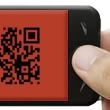
It seems like mobile codes are all the rage now, they are everywhere and everyone seems to be jumping on board the code train. QR Codes are one of the big items for the 2012 mobile marketing ecosystem, but this doesn’t mean that everyone understands what they are and how to take advantage of their marketing prowess. The idea essentially is to use your mobile as a device with a downloaded ‘reader’ to scan a bar code, which directs you to more information about the brand or product.

We are seeing barcodes in print media, for example in magazines and newspapers alongside adverts and other marketing material. We are also seeing barcodes popping up in retail stores, where consumers are encouraged to scan QR Codes at the shelf to help provide information that will close the sale.

QR codes have been gaining momentum since about 2010, and the broader public is slowly but surely learning how they work and beginning to appreciate their uses. For a consumer, they offer an easy way to access an app or a quick way to access more information about a product. For example, standing in the shopping aisle, if a shopper wants to find out more about a product, they traditionally would google it on their smartphone. With QR codes, they simply scan the code and get the information they need. For a brand, it offers a way to direct the consumer to the information they want, not what pops up first on google when they search. It also offers a new medium for traditional marketing tools such as competitions and offers.

Along with the benefits, QR codes do come with challenges for the brand and publishers need to be aware of this. First, we need to get the consumer to scan the ad. This requires a willingness to scan and also knowledge on how to scan. For many people still, QR codes are a confusing, bizarre pattern. Publishers play a key role in educating the consumer in how to use QR codes. Secondly, once the consumer has scanned the code, we need to keep the consumer engaged. This means custom mobile landing pages, and quick and convenient ways for the consumer to get the information they are looking for.

To help you navigate the challenges and get the most out of your QR codes, we have compiled our top 4 do’s when incorporating QR codes into your marketing strategy.

1.      Mobile bar codes should be integrated into your overall strategy alongside traditional advertising, mobile ads and an app campaign.

2.      You want to aim to give the user access to content that goes beyond the space that they are scanning from, and definately link to mobile formatted content.

3.      Update the code with new content regularly and dynamically, for example, it is effective to make use of a mobile bar code over the holiday sales, but remember that consumers will continue to scan codes throughout the year so consider things such as daily or weekly specials if you’re in the retail space.  

4.      Help your consumers to access to codes. In a print ad for example, position them in a way that makes it easy to see scan. Include copy next to the code, explaining it and how it is used and make sure the QR code is easy to scan. Use a URL shortener such as bit.ly to condense long codes so the QR code will be less complex.

Monday, March 5, 2012

Free or Paid Apps - Which Option is Best?


by Amy Vale


Discussions have been going on for the last few years, not only within the publisher community, but across the U.S about whether apps should be paid or free of charge. There is the question of what is the best business model and also the way this affects the consumer’s experience. This question has also come a long way since the discussion first started precisely because of mobile advertising. You now have many options available to you - paid, free, and somewhere in the middle. While a paid app can provide a larger up-front profit, providing an app for free and monetizing it with mobile advertising can produce a continuing revenue stream. 

The main difference between a paid app and one released for free is the amount of potential users that will see it and then download it. Most users who are app browsing naturally prefer free ones and as a result, these receive more views and downloads. These are some strong reasons to develop a free app.

So, does this mean you should always release your apps for free? Some developers believe that if you can design and create an app which gives the user something valuable which they can’t find in a free app, then making it paid can be a great revenue maker. Even if it is available in some form for free, if your app is higher quality and comes with added value making it paid may be a good idea.

The in-between option is the possibility of releasing a “lite” version of your paid app for free. The idea is that you release a fully-featured paid version and a free version with limited functions. This enables the user to test out the app, realize its potential, and then want to purchase the full version for all the benefits.

However, the strongest option, one where users benefit and you, the publisher does too, is where you keep the app free and monetize it with mobile ads through in-app advertising via banner ads, interstitials and rich media ads. This means you can make money through your app while still releasing it to the public for free, so you get the benefit of more views and downloads for being listed under the “free” section in the app store, and you also have the in-app advertising revenue stream.

There are several alternatives for releasing a mobile app, and it is up to you and your development team to figure out which method will work best for you - not only for generating revenue but also with your strategic campaign. Monetizing a free app through mobile advertising is a very powerful, and proven, revenue generator.

Monday, February 27, 2012

Will Mobile Ads Go Universal?


by Amy Vale 


I’ve been hearing a lot of conversation recently about the concept of the “Universal Creative” and whether it is more valuable to make unique rich media creative which works well for mobile, or develop an ad that can run in as many different channels as possible. First of all, what does “Universal Creative” actually mean? In the context of mobile, this means the development of global ad units across all mobile media channels: mobile web, messaging, applications and mobile video and TV.


What does all this mean for advertisers and publishers? For advertisers, this means creating once and being able to run everywhere. Put another way, agencies will be able to quickly and easily run ads across applications from different publishers. For publishers, it means a bigger supply of ads that are compatible with them, and therefore higher ad revenue potential. The important consideration is the tradeoff between the scale and engagement of ads. Great creative needs to strike a balance between reaching as wide an audience as possible and being unique and engaging.


The Mobile Marketing Association (MMA) developed a set of “universal” guidelines with the aim of reducing the effort required to produce creative material and ensure that advertisements display effectively on the majority of mobile phones, regardless of device. Similarly, the Interactive Advertising Bureau (IAB) has established a common Application Programming Interface for mobile rich media ads that will run in mobile apps. This is a standardized set of commands, designed to work with HTML5 and JavaScript that developers creating rich media ads will use.


IAB explains that, “Innovation in mobile rich media ad serving has led to many exciting possibilities for content publishers and advertisers, but it has also created inefficiencies that often delay and inhibit the optimal monetization of content.” The standardized commands intend to simplify the process for designers of ad creative and increase the likeliness that agencies will leverage mobile into their media buys.


Mocean Mobile believes that rich media should be able to run as broadly as possible as advertisers and publishers benefit from having ads that are capable of running the most sophisticated rich media but still be compatible with almost any mobile site.


Friday, February 24, 2012

HopStop Taps Mocean Mobile to Accelerate Monetization Efforts

It’s been a great couple of weeks for Mocean Mobile and our valued clients in the media.  Just this week, we announced that Hopstop has selected our platform to monetize their content after a long selection process.

Joe Meyer, Hopstop CEO weighs in on the idea of leveraging location-based ads in an interview with Digiday’s Jack Marshall:


To see more on why HopStop chose the mobile ad serving standard, click here.

Monday, February 20, 2012

Rich Media Mobile Advertising-Will It Add Up To Riches?


by Amy Vale

Publishers often ask us what is the real benefit of rich media mobile advertising, some people aren’t clear exactly what it is, so we thought we would give you the rundown. It is important for you to know about rich media mobile advertising so you make an informed decision when choosing multimedia features to include in your rich media ads. We think it is vital to get on board the rich media bandwagon.

So, what exactly are rich media ads? Rich media allow multimedia applications to be encapsulated in different virtual mobile contexts, including mobile Web browsing or mobile applications. It offers multimedia experiences to users that go beyond simply displaying text, static pictures and animations or video. It allows users to enter media elements, for example, ad banners by extending them across the page, creating a larger surface area for the display of information and interaction.

And, what are the benefits? Rich media advertising offers the advantage of creating an exciting user experience and the ability to convey information to the user more effectively than conventional display advertising. A format characterized by the use of sophisticated graphics, animation or streamlining video provides an immersive user experience, enabling advertisers to effectively reach consumers and inspire interaction with the brand. One of the other major selling points for rich media units is that they allow users to interact with the ad without having to leave the app, rather than clicking through to a mobile browser.

Agencies and publishers love the attractive and eye-catching features of the rich media ads, and this has shown to result in higher interaction and conversion rates than standard mobile banners, facilitating user interaction and brand engagement.

Research now shows that some major US retailers have experienced massive increases in click-through rates when switching to rich media mobile advertising – take for example, a 357% jump seen by a popular luxury auto manufacturer, a 455% increase for a quick service restaurant and a 214% upswing seen by an athletics manufacturer. These statistics are incredible! 

Other benefits for consumer user data that have been identified include:
Features like expandable banners are effective in collecting consumer responses.
Consumers have the flexibility to switch between rich media and the core content. Customer engagement can be measured at all times regardless of exposure or interaction. It can also help publishers gain insight into user behavior. 

The huge rising in the popularity of the tablet represents an even bigger opportunity for rich media because of the larger screens and ability to interact more easily with ads. Have a chat with one of the experts at Mocean Mobile who are helping some of the biggest content producers all over the world maximize revenue through mobile.

Thursday, February 16, 2012

How to Drive Mobile Strategy: Look Beyond What’s Available in Mobile Today

by Amy Vale


While mobile is still in it’s early stages in the eyes of many publishers, it’s the clients of Mocean Mobile like TV Guide who are really pushing the boundaries to move the needle for their advertisers.  Seen in this story posted by Digiday’s Jack Marshall, Christy Tanner from TV Guide outlines their commitment to mobile and how Mocean Mobile will help them deliver on their goals for 2012:


“It’s definitely early days for mobile advertising. The challenge for us as publishers is to create the right creative opportunities and ad-technology options for advertisers, and that’s what we’re trying to do.”


This story is a perfect example of how innovation from a technology partner, dedication to understanding advertiser and audience needs, and a sound mobile strategy can have the potential to maximize revenue and gain market share.


To speak with a mobile ad-serving expert from Mocean Mobile, click here.

Tuesday, February 7, 2012

Automotive Industry Recognizes the Value of Being Mobile

by Amy Vale
Starting this week, we are going to be looking into different industries and how they are each using mobile or starting to recognize the advantages of mobile marketing. The best way to do this is by looking at some interesting examples of mobile campaigns that have been done. This week is auto dealerships and car sales. Big players in this industry, globally, have quite fully embraced mobile marketing to its full potential, using highly creative and innovative approaches incorporating both interactive apps and mobile ad campaigns.

A great example is Lexus - In Australia, Lexus rolled out the “Lexus CT City Challenge” app and a mobile ad campaign to generate widespread awareness and to increase purchases of their new CT 200h model. Their app (developed via a custom made 3D engine and featuring realistic physics, animation, sound effects and an original soundtrack, with a look and feel to match the Lexus brand) was a game that challenged players to take the Lexus car for a virtual “spin” on different courses modelled on Australia's capital cities. There was also a powerful incentive - a live playoff at a Motor Show with the winner receiving a brand new car. The app also cleverly incorporated a social media strategy – players could broadcast their scores across sites like Facebook and Twitter, challenging friends to download the game, or beat their scores.

To build awareness of the brand and to encourage people to download the app they also created a mobile ad campaign, which ran for 2-3 months across iPhones, iPads and iPods. Their “click-to-download” banners were displayed on popular mobile apps such as Words With Friends, Angry Birds, WeatherZone, and various mobile Web sites. The Lexus campaign was by all accounts, a highly successful marketing project, and the interactive app generated real engagement with the brand in the younger market.

Other automobile companies are also rolling out mobile campaigns to build brand presence and increase profit. Lincoln ran a holiday campaign, “Get more than you wished for” where consumers could learn more about the new MKZ car. A mobile site incorporated a video section where prospective buyers could watch a clip explaining the car features, and users could also locate nearby dealers by using the device's GPS and then contact those dealers for pricing and availability.

Volvo had also rolled out a mobile campaign, titled “Are you naughty?” with the catchy phrase, “There is more to life than playing it safe.” The mobile ad gives drivers and potential purchasers the opportunity to learn more about the all new Naughty Volvo S60. The ad also allows users to register to participate in “special driving events” across the country including a drag race which carries on the theme of “naughty” driving. This campaign is a great example of a mobile campaign fully embracing mobile and rebranding by appealing to a target audience.

As you can see, mobile marketing is a trend that automakers and car dealerships are really getting into. Lexus’ case is a great example of an innovative business that can see the value in moving into mobile. Volvo has also realized that mobile is the way forward for truly engaging consumers with the brand and provides the opportunity for great rebranding. Automobile is now very into mobile!